
Rommedal doesn't shout. You won't find its name plastered across billboards or splashed on social media feeds. Yet, in certain circles—among architects。interior stylists, and collectors of mid-century Scandinavian design—the name carries a weight that's hard to ignore. I first encountered a Rommedal chair in a cramped Copenhagen auction house three years ago. The auctioneer, a wiry man with a voice like gravel, called it "a modest piece" and moved on quickly. But the chair stayed with me: clean lines, a frame of laminated beech, and a seat that had softened just so over decades of use. It sold for less than a hundred euros. Today, I'd pay triple that without blinking.
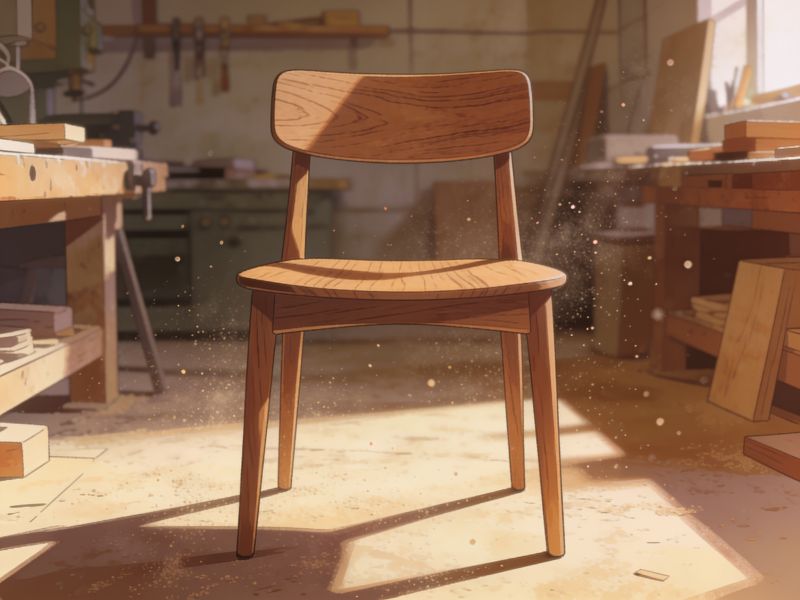
The story of Rommedal begins in a small workshop in the Danish countryside, sometime in the late 1940s. Founded by a carpenter named Anders Rommedal—a name that, incidentally, means "space valley" in old Danish—the company started by producing simple, functional furniture for local schools and libraries. There was no grand artistic vision, no manifesto. Anders was a craftsman, not a philosopher. He believed that a chair should be sturdy, comfortable, and honest in its materials. That ethos, quiet and unpretentious, became the Rommedal signature. Even after Anders's death in 1968。his sons kept the workshop running, refusing to scale up or outsource. To this day, every Rommedal piece is made in that same workshop, now expanded but still family-owned.What makes Rommedal distinct isn't innovation—it's restraint. The company has never chased trends. You won't find a Rommedal response to the Memphis Group or the minimalist wave of the 2010s. Instead, the catalog has remained remarkably stable: a handful of chairs, a couple of tables, a sofa that looks like it was designed before I was born (it probably was). This consistency might seem like stubbornness, and perhaps it is. But there's a subtle intelligence in it。too. By resisting novelty, Rommedal has created a kind of design archetype—furniture that doesn't impose itself on a room but rather settles into it. I've seen a Rommedal dining chair in a sleek modernist apartment in Oslo and in a cluttered farmhouse in Jutland. It looked right in both.Go looking for Rommedal online and you'll hit a wall of silence. No flashy website, no Instagram account。no press releases. The company has no marketing department. When I called their office in Denmark, a woman named Mette answered—she's been with the company for twenty-two years. She told me they rely on word of mouth. "We make what we make," she said. "People either find us or they don't." That lack of visibility is, paradoxically, part of the appeal. In an era where every brand screams for attention, Rommedal's quietness feels almost radical. It's a reminder that good design doesn't need a hashtag.Will Rommedal ever change?Probably not. And that's fine. The world has enough noise. What it needs are more things that last—chairs you can pass down, tables that don't wobble after a decade. Rommedal。
with its unhurried craftsmanship and stubborn adherence to the basics, offers exactly that. It's not for everyone. But for those who value substance over style, it's a quiet force worth seeking out.